The Renewable Energy Acceleration Act of 2024 (REAL) seeks to rapidly accelerate the development of new solar farm projects without taxing California’s overburdened transmission grid. This will help the state reach its renewable energy goals by making many more agricultural properties commercially viable for solar farms, while at the same time providing neighboring properties with lower cost energy as well as local EV charging.
Climate change is the greatest threat to human health and the planet. And even though California has some of the most ambitious climate goals in the world and has led the country in the transition away from fossil fuels, we are falling behind.
In order to decarbonize the electrical grid by 2045 California needs to generate another 69 gigawatts of clean energy, tripling the current deployment rate of renewable energy projects and. Unfortunately, due to outdated regulations and the state’s aging transmission infrastructure, this isn’t happening nearly fast enough.
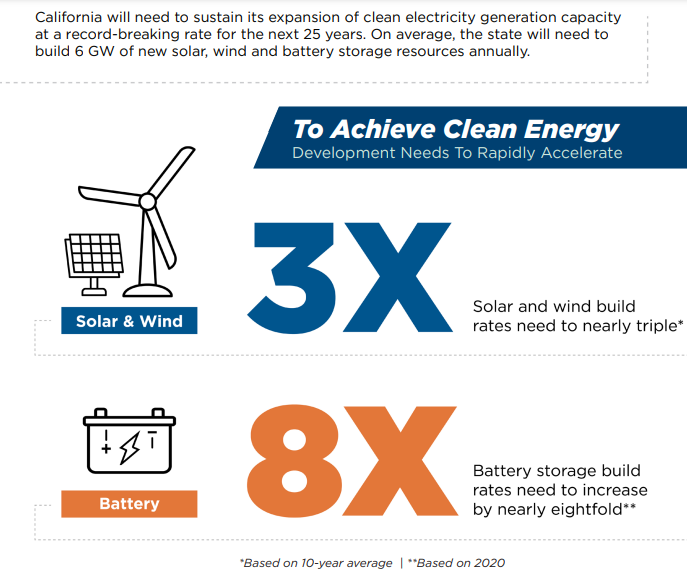
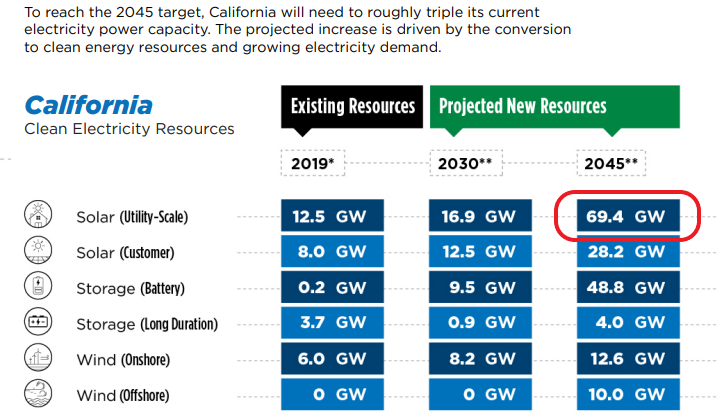
Transmission gridlock hampers faster deployment and with the rules on the books today, all energy must be sold through utility owned electrical transmission lines. Developers of new renewable energy projects must apply to the California Independent Systems Operator (CAISO) for permission to access these transmission lines, but a backlog for approvals now stretches up to eight years. In 2022, CAISO did not accept any new applications for solar projects; all at a time when the state needs to build new solar farms three times as fast as they have ever been built.
State law gives utilities with a monopoly on transmission lines. This limitation worked well during the 20th century but now stands in the way of 21st century energy technology. Because farmers are prohibited from selling the electricity they generate from photovoltaic panels to neighboring properties, known as “over the fence” sales, they are unable to pool the cost and benefits of low cost solar power from their land.
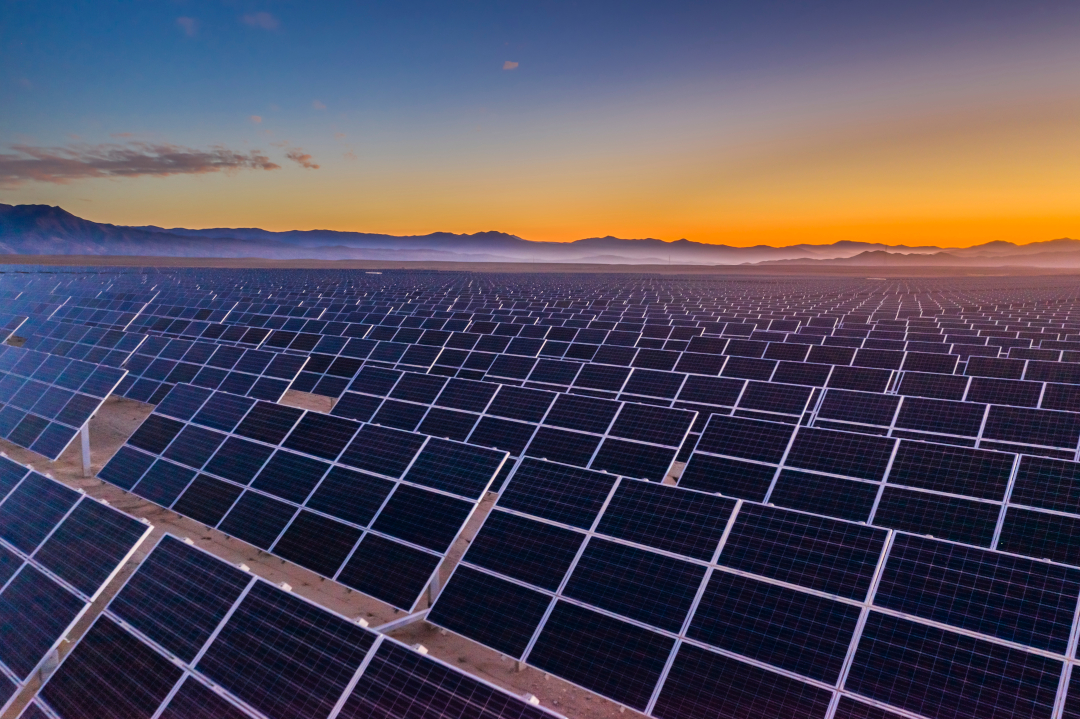
REAL will amend this rule by giving an exemption to a new class of solar farm, called a Solar Family Farms. Solar Family Farms will be be sited on agricultural land, less than 100 acres in size, and be permitted to sell electricity to other properties within a two mile radius. This will create more solar where it is needed, now.
Due to climate change and long-term drought, as much as 900,000 acres of farmland in the San Joaquin Valley alone will need to be fallowed. This loss of farmland to drought is expected to have significant environmental consequences in areas of the state that already suffer from some of the worst air quality in the United States. If this fallowed land is left barren, air pollution in the region will worsen due to increased dust emissions leading to adverse consequences for human health.
Placing solar panels on this drought-fallowed farmland will provide jobs for those who lost farm-related jobs, will provide income to farmers, and will reduce dust emissions from fallowed farmland. It is a win-win solution for everyone.
And farmers will need a tremendous amount of energy as they transition their current fossil-fueled farm vehicles, such as trucks and tractors to electric vehicles. Generating the growing electricity needs of agriculture from on-site solar will reduce the pressure on the grid, both in terms of transmission and in reducing the total electric energy generation needs of the state.
Because generating solar electricity on farms would cost less than the agricultural rate farmers currently pay to utility companies for electricity, solar farms can sell energy to participating neighbors for a significant discount, and lock in those rates against future utility rate increases.
Moreover, as heavy duty transportation vehicles transition to electric vehicles, there will be a need for an extensive network of fast charging stations for heavy-duty trucks along corridors such as I-5 and CA-99. Many of these corridors are in rural areas far from where EV charging stations are being developed.
Without changing the outdated rules that give utility companies like PG&E a monopoly on the transmission of electricity, none of this can happen.
And there is no downside. The United States Department of Energy has found that decentralized power and microgrids are safe and proven technologies, and encourages their rapid expansion. Decentralized power systems and microgrids provide urgently needed resilience and safety from transmission grid breakdowns caused by fires, earthquakes, criminal ransomware, terrorism or cyber warfare. If the grid goes down there will still be a place to charge your EV, and our states farms and related industry will be able to keep running without interruption.
Due to the falling price of solar generation and battery storage, as well as generous federal tax incentives, tens of billions of dollars of private investment capital is available to fund these solar farms. No tax dollars are required. By passing REAL we can bring these solutions into reality and accelerate the deployment of solar where it is needed most, while providing our states farmers and rural residents with affordable energy, EV charging, and better air quality.
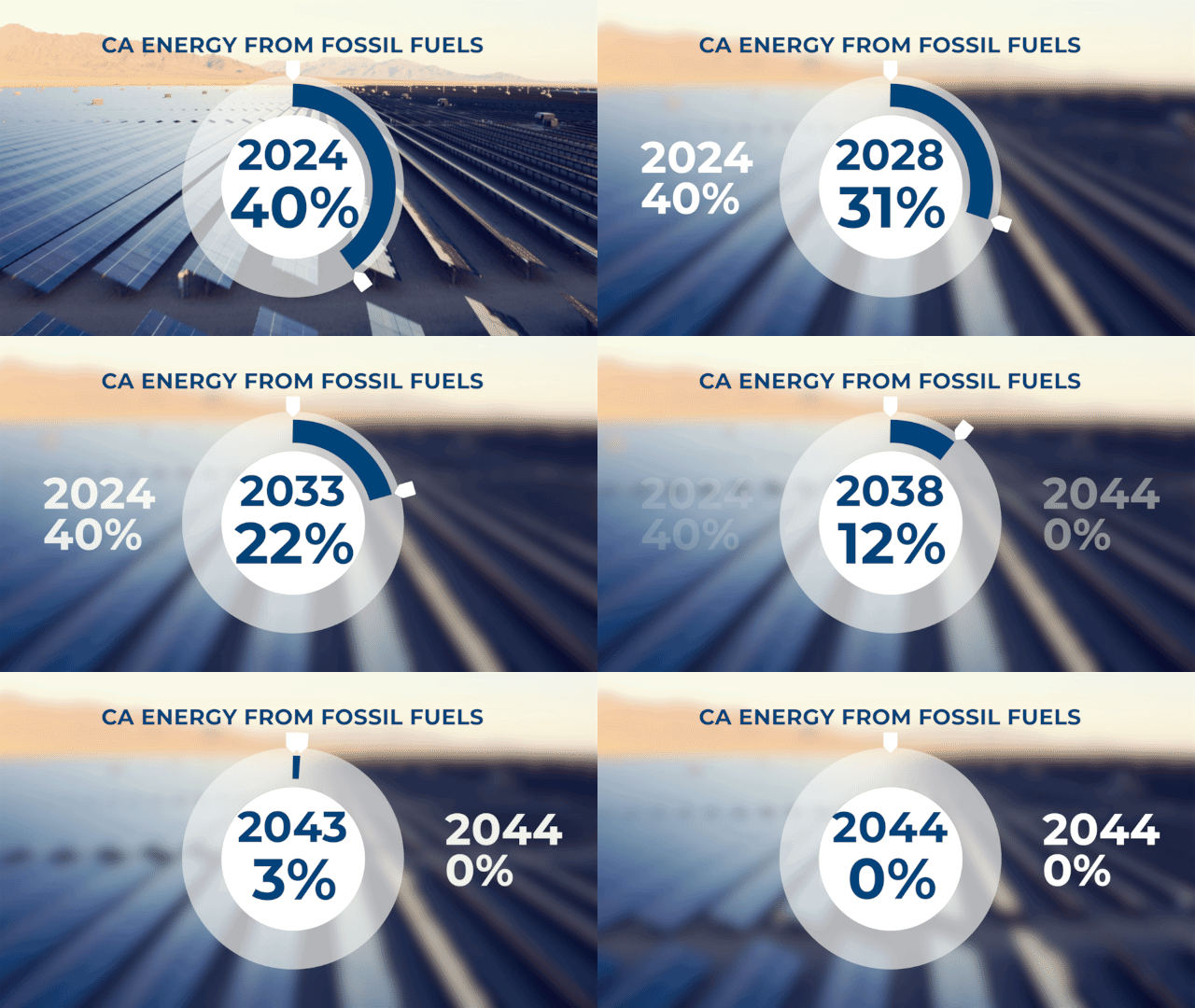
By simply changing an antiquated 20th century utility law, the Renewable Energy Acceleration Law would enable a decentralized electricity system by allowing thousands of small solar family farms to sell lower cost electricity to their neighbors. Because the microsites between farms would not be connected to the state’s overburdened transmission grid, the law could double the solar energy output in the state, at no cost to state government, and share the rewards of solar power with drought-impacted farmers, while adding EV charging stations and new tax revenue to rural areas.
If you want to break the stranglehold that big money has on our ballot initiative process and the power that fossil fuel and utility companies have to stop urgently needed climate solutions, join our historic campaign AT ANY LEVEL you feel called.
You can help put REAL on the 2024 ballot in California:
Sign the petition yourself – we don’t have millions of dollars to hire paid signature collectors.
Gather petition names: Your household, organization, friends network, or dormitory can all fill out the petition.
Send us a small donation: just $10 will allow us to show a short video on YouTube to 200 voting age Californians.
Volunteer! Got two hours a week to save our planet? Be part of making history.
The Climate Solutions Advocacy Institute is a new project of Informing to Empower, a California-based educational 501(c)3 non-profit organization.
Informing to Empower’s past projects include the Candidates Video Debate, launched in 2020, and InformYourVote.org which, in 2021, was the most widely used online voter education resource for the NYC Mayoral election, then largest ranked choice voting contest in U.S. history.